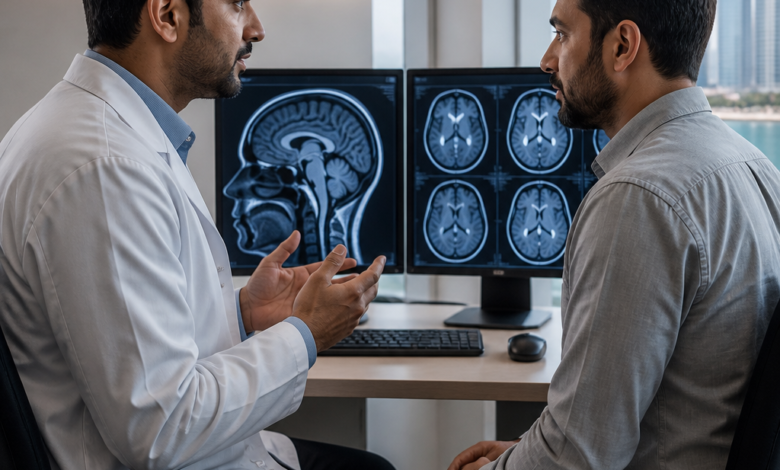
The human nervous system is among the most intricate and vital structures in the body. From regulating heartbeat and breathing to governing thought, memory, and movement, the brain and its network of nerves are at the center of virtually every function we perform. Yet neurological health is often overlooked until symptoms become severe. Understanding when to seek specialist care — and what that care involves — can make a profound difference in outcomes for patients dealing with conditions ranging from chronic migraines to complex movement disorders.
The Scope of Neurological Medicine
Neurology is a medical specialty dedicated to diagnosing and treating disorders of the brain, spinal cord, peripheral nerves, and muscles. The field covers an extraordinarily wide range of conditions, including epilepsy, Parkinson’s disease, multiple sclerosis, stroke, Alzheimer’s disease, neuropathy, and sleep disorders. Because the nervous system touches every part of the body, neurological symptoms can be deceptively varied — presenting as numbness in the hands, sudden vision changes, unexplained fatigue, or even personality shifts.
This breadth makes neurology one of the most diagnostically demanding specialties in medicine. A skilled neurologist must integrate patient history, physical examination, imaging studies, and laboratory results to arrive at an accurate diagnosis. Errors in this process can lead to delayed treatment, which in conditions like stroke or meningitis can be life-altering or fatal.
See also: Mutf_In: Axis_Max_Life_X3evj7
Common Warning Signs That Warrant Neurological Evaluation
Many people are unsure whether their symptoms justify a visit to a specialist. While a general practitioner is often the first point of contact, certain signs should prompt a referral to a neurologist without delay. These include sudden severe headaches unlike any experienced before, persistent dizziness or loss of balance, episodes of confusion or memory loss, weakness or paralysis in any limb, difficulty speaking or understanding speech, and recurring seizures. Tingling or numbness that does not resolve, as well as tremors or involuntary movements, also warrant professional neurological assessment.
It is worth noting that not all neurological symptoms are dramatic. Subtle changes in cognition, mood, or coordination can be early indicators of conditions that are far more manageable when caught early. Patients who notice gradual changes in their mental sharpness or physical coordination should not dismiss these as simply the effects of aging or stress.
Diagnostic Tools in Modern Neurology
Advances in medical imaging and neurophysiology have transformed the diagnostic landscape in neurology. Magnetic resonance imaging (MRI) and computed tomography (CT) scans allow clinicians to visualize the brain and spinal cord in remarkable detail, identifying tumors, lesions, hemorrhages, and structural abnormalities. Electroencephalography (EEG) measures electrical activity in the brain and is essential in diagnosing epilepsy and other seizure disorders. Nerve conduction studies and electromyography (EMG) assess the health of peripheral nerves and muscles, helping to diagnose conditions like carpal tunnel syndrome, ALS, and Guillain-Barré syndrome.
Lumbar puncture, or spinal tap, remains a critical tool for analyzing cerebrospinal fluid, particularly in cases of suspected infection, inflammation, or certain cancers. Genetic testing has also become increasingly relevant in neurology, particularly for hereditary conditions such as Huntington’s disease and certain forms of muscular dystrophy. The integration of these tools requires not only technical expertise but also sound clinical judgment to interpret results in the context of each individual patient.
The Role of Ethics in Neurological Care
Neurological conditions often raise profound ethical questions — particularly those involving disorders of consciousness, end-of-life decision-making, and cognitive impairment. When a patient can no longer communicate their wishes, clinicians must navigate complex terrain involving family dynamics, legal frameworks, and deeply held values. Institutions that take these questions seriously invest in structured ethical training for their medical teams. Resources such as those offered through the ACS MacLean Center Surgical Ethics Fellowship represent the kind of rigorous ethical preparation that elevates the standard of care across all medical specialties, including neurology.
Treatment Approaches in Neurology
Treatment in neurology is as varied as the conditions it addresses. Pharmacological management remains central to many neurological disorders — anticonvulsants for epilepsy, dopaminergic agents for Parkinson’s disease, immunomodulatory therapies for multiple sclerosis, and thrombolytics for acute ischemic stroke. However, medication is rarely the whole story. Rehabilitation plays a critical role in recovery from stroke, traumatic brain injury, and spinal cord damage. Physical therapy, occupational therapy, and speech-language pathology are often integral components of a comprehensive neurological care plan.
Surgical intervention is sometimes necessary, particularly for conditions such as brain tumors, hydrocephalus, certain forms of epilepsy, and deep brain stimulation for movement disorders. The decision to pursue surgery involves careful risk-benefit analysis and, increasingly, multidisciplinary team discussions that include neurologists, neurosurgeons, radiologists, and other specialists. Patients and families are also central to this process, and informed consent is not merely a formality but a meaningful dialogue.
Peptides, Supplements, and Neurological Claims: A Word of Caution
The wellness industry has seen a surge in products marketed for cognitive enhancement and neurological support, including various peptides and nootropic compounds. Patients are understandably curious about these options, particularly when conventional treatments have limitations. However, the evidence base for many of these substances remains thin. Before incorporating any supplement or peptide into a health regimen, it is essential to consult a qualified medical professional. For those researching such products independently, evaluating the credibility of peptide sources is a critical first step in making informed decisions. Self-medication in the context of neurological symptoms is particularly risky and should never substitute for professional evaluation.
Cleveland Clinic Abu Dhabi: A Center of Neurological Excellence
For residents and visitors in the UAE seeking high-caliber neurological care, Cleveland Clinic Abu Dhabi stands as a benchmark institution. Affiliated with one of the world’s most respected medical centers, the facility brings together internationally trained specialists, cutting-edge diagnostic technology, and a patient-centered philosophy that prioritizes both clinical outcomes and quality of life. The Neurological Institute at Cleveland Clinic Abu Dhabi offers comprehensive services spanning neurology, neurosurgery, neuroradiology, and neurological rehabilitation — all under one roof.
Whether a patient is managing a chronic condition like epilepsy or seeking evaluation for newly emerging symptoms, the institute’s multidisciplinary approach ensures that no aspect of care is overlooked. The team is equipped to handle both routine neurological concerns and highly complex cases that may have gone undiagnosed elsewhere.
Accessing Expert Neurological Care in the UAE
Consulting a neurologist in abu dhabi at Cleveland Clinic Abu Dhabi means accessing a level of expertise and infrastructure that rivals the world’s leading medical centers. Patients benefit from seamless coordination between specialists, evidence-based treatment protocols, and a commitment to transparency and ethical practice that places their wellbeing at the center of every clinical decision.
Conclusion: Prioritizing Neurological Health
The nervous system does not announce its vulnerabilities loudly or consistently. Symptoms can be subtle, intermittent, or easily attributed to other causes. This is precisely why neurological health deserves proactive attention rather than reactive management. Whether you are experiencing persistent headaches, unexplained cognitive changes, or more acute neurological symptoms, seeking specialist evaluation sooner rather than later is always the wiser course. In a region with access to world-class neurological care, there is no reason to delay. Your brain — and everything it governs — is worth protecting.