Modern medicine has witnessed remarkable progress in addressing life-threatening neurological emergencies and chronic conditions that demand specialized intervention. As healthcare systems worldwide invest in advanced diagnostic tools and therapeutic protocols, patients facing acute cerebrovascular events now have access to treatment pathways that were unimaginable just decades ago. The integration of cutting-edge imaging, pharmacological interventions, and surgical techniques has fundamentally transformed outcomes for individuals experiencing critical neurological episodes.
Understanding Acute Cerebrovascular Events
Cerebrovascular accidents represent one of the most time-sensitive medical emergencies, where every minute counts in determining long-term neurological function. When blood flow to brain tissue becomes compromised due to blockage or rupture, the resulting cascade of cellular damage can lead to permanent disability or death if not addressed immediately. The two primary categories—those caused by arterial obstruction and those resulting from hemorrhage—require distinctly different management approaches, making rapid and accurate diagnosis essential.
The majority of these events involve blockages that prevent oxygen-rich blood from reaching critical brain regions. Specialized medical centers have developed comprehensive protocols for ischemic stroke treatment that prioritize rapid assessment, advanced imaging, and immediate intervention to restore cerebral perfusion. These protocols have been refined through decades of clinical research and now represent the gold standard in emergency neurology.
See also: Mutf_In: Axis_Max_Life_X3evj7
The Critical Window for Intervention
Time sensitivity cannot be overstated when addressing acute neurological crises. The concept of the “golden hour” has evolved into an even narrower window as research demonstrates that brain tissue dies at an alarming rate during arterial occlusion. Emergency departments equipped with specialized stroke teams can now initiate treatment protocols within minutes of patient arrival, utilizing rapid imaging sequences to differentiate between ischemic and hemorrhagic events before selecting the appropriate therapeutic strategy.
Thrombolytic therapy represents one of the most significant breakthroughs in acute neurological care, allowing physicians to dissolve clots pharmacologically when administered within the approved timeframe. For cases presenting beyond this window or involving large vessel occlusions, mechanical thrombectomy procedures offer an alternative pathway to restore blood flow. These endovascular techniques involve threading specialized catheters through the arterial system to physically retrieve obstructing clots, often achieving dramatic improvements in patient outcomes.
The Role of Precision Medicine in Treatment Development
Beyond emergency interventions, the broader landscape of medical research continues to push boundaries in understanding how molecular mechanisms influence disease progression and treatment response. Precision medicine approaches now inform everything from oncology to metabolic disorders, with researchers examining how individual genetic profiles and biomarkers can guide therapeutic decisions. This paradigm shift toward personalized treatment protocols has led to improved efficacy and reduced adverse effects across numerous medical specialties.
Clinical research facilities and peptide research suppliers contribute to this ecosystem by providing investigators with high-quality compounds for experimental studies. For those exploring emerging therapeutic candidates, understanding the reliability of research vendors becomes crucial to ensuring study validity and reproducibility. The integrity of preclinical research depends heavily on the purity and consistency of investigational compounds used in laboratory settings.
Patient Safety in Surgical Innovation
As medical procedures become increasingly sophisticated, the emphasis on patient safety protocols has intensified across all surgical disciplines. International health organizations have established comprehensive frameworks to minimize preventable harm during operative procedures, recognizing that even minor protocol deviations can have serious consequences. Global initiatives for safe surgical practices provide evidence-based guidelines that hospitals worldwide adopt to protect patients during both routine and complex procedures.
Surgical checklists, timeout procedures, and systematic verification processes now form standard practice in operating theaters globally. These measures have demonstrably reduced wrong-site surgeries, retained foreign objects, and anesthesia-related complications. The culture of safety extends beyond the operating room to encompass preoperative assessment, postoperative monitoring, and interdisciplinary communication among care teams.
Comprehensive Neurological Care Facilities
Leading medical institutions have recognized that optimal outcomes for complex neurological conditions require integrated care models that bring together specialists from multiple disciplines. Cleveland Clinic Abu Dhabi exemplifies this approach through its neurovascular program, which combines emergency neurology, interventional neuroradiology, neurosurgery, and rehabilitation medicine under one coordinated framework. This integration ensures seamless transitions between acute intervention and long-term recovery phases.
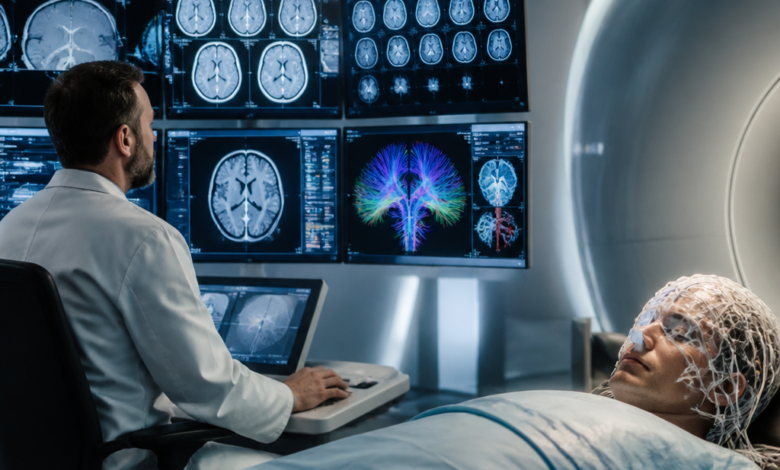
The facility’s investment in advanced imaging technology, including high-resolution CT and MRI systems capable of rapid acquisition, enables precise diagnosis and treatment planning. Biplane angiography suites allow interventional teams to navigate cerebral vasculature with unprecedented accuracy during mechanical thrombectomy procedures. Beyond technical capabilities, the institution emphasizes continuous education for clinical staff, ensuring that protocols evolve alongside emerging evidence and best practices.
Rehabilitation and Long-Term Outcomes
Acute intervention represents only the beginning of the recovery journey for patients who have experienced major neurological events. Comprehensive rehabilitation programs address the physical, cognitive, and psychological dimensions of recovery, employing physical therapists, occupational therapists, speech pathologists, and neuropsychologists to maximize functional restoration. Early mobilization protocols and intensive therapy regimens have been shown to improve neuroplasticity and accelerate recovery trajectories.
Emerging technologies such as robotic-assisted therapy and virtual reality rehabilitation platforms are expanding the possibilities for recovery even in patients with severe initial deficits. These tools provide intensive, repetitive practice that promotes neural reorganization while maintaining patient engagement through interactive feedback mechanisms. Long-term follow-up programs monitor patients for secondary prevention needs, adjusting medications and lifestyle interventions to reduce the risk of recurrent events.
Future Directions in Acute Neurological Care
The next decade promises continued innovation in how medical systems respond to neurological emergencies. Artificial intelligence algorithms are being developed to analyze imaging studies in real-time, potentially identifying subtle findings that expedite treatment decisions. Mobile stroke units equipped with CT scanners and laboratory capabilities bring emergency departments directly to patients, reducing time-to-treatment in urban and suburban settings.
Neuroprotective agents that preserve brain tissue during ischemic periods remain an active area of investigation, with several compounds currently in clinical trials. If successful, these pharmacological approaches could extend treatment windows and improve outcomes even when mechanical intervention is delayed. Gene therapy and cellular regeneration techniques represent longer-term possibilities that may one day allow damaged neural tissue to be repaired or replaced.
The convergence of advanced medical technology, evidence-based protocols, and multidisciplinary expertise continues to reshape what is possible for patients facing critical neurological conditions. As healthcare systems invest in specialized capabilities and research institutions advance our understanding of cerebrovascular pathophysiology, the prospects for improved survival and functional recovery become increasingly promising. The commitment to continuous improvement across emergency response systems, acute care facilities, and rehabilitation services ensures that patients worldwide benefit from the latest advances in neurological medicine.